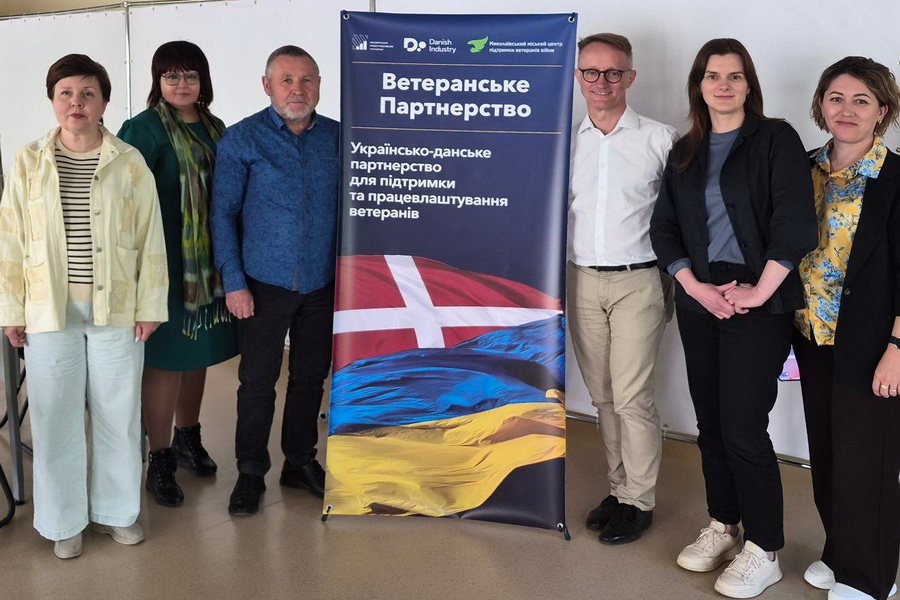
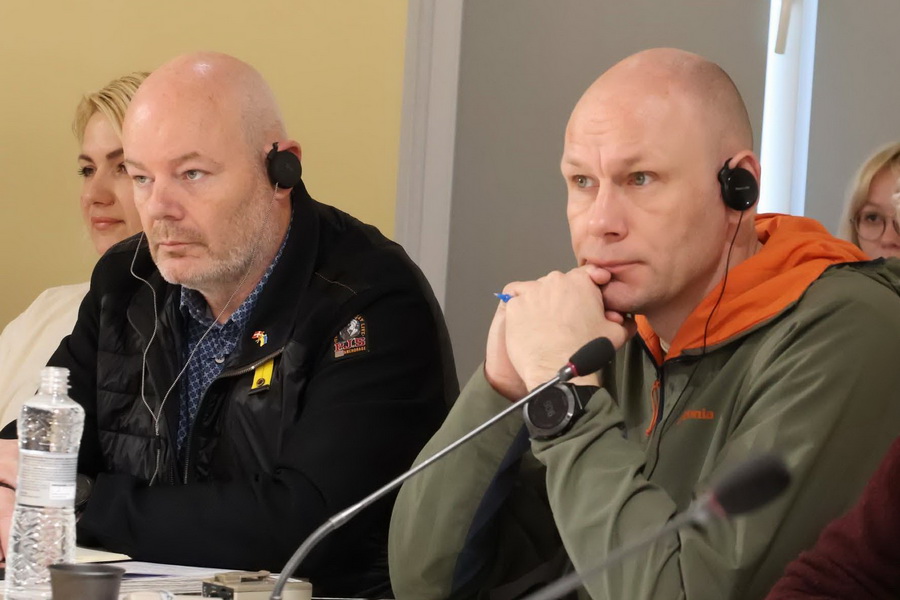
This week, the Federation of Employers of Ukraine (FEU), together with its Danish partners, actively worked in Mykolaiv whithin the Danish-Ukrainian Veteran Partnership, established as part of the Labour Market Consortium project. The initiative is being implemented by the Federation of Employers of Ukraine together with the Confederation of Danish Industry (Danish Industry – DI), with the support of the Ministry of Foreign Affairs of Denmark.
A key role in the system is played by our partners — the Mykolaiv City Veteran Support Center, which serves as a platform for comprehensive assistance and coordination among all stakeholders, and the Mykolaiv Regional Employers’ Organization.
The project serves as an important link between businesses in the Mykolaiv region, actively represented by our regional employers’ organization, veterans seeking employment, and a broad range of stakeholders supporting their reintegration. In this way, a practical bridge is being created between the needs of the labor market and the opportunities of people returning from military service.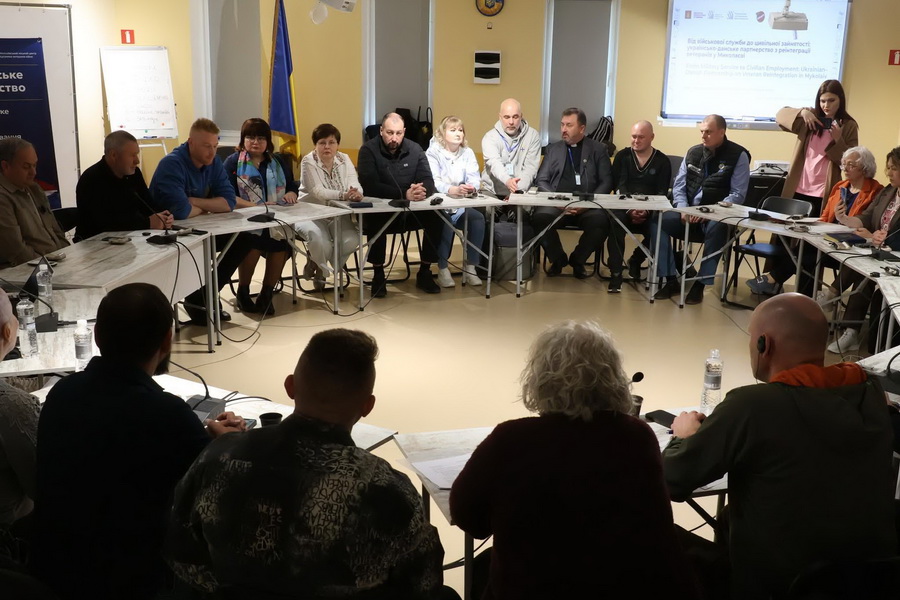
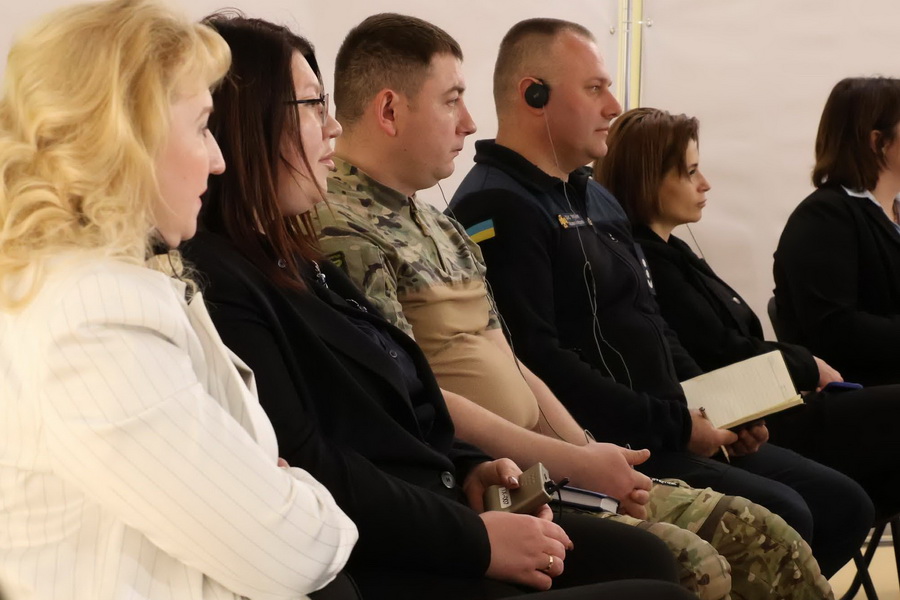
A key event was a meeting at the Mykolaiv City Veteran Support Center, which brought together a broad coalition around the issue of veteran reintegration and employment. The dialogue involved representatives of local authorities, businesses, international partners, educational institutions, employment services, and the veteran community.
Mykolaiv is a region that found itself on the front line of the struggle for southern Ukraine from the very first days of the full-scale war. The city endured constant shelling, infrastructure destruction, and a significant population outflow, while at the same time becoming an example of resilience and recovery. Today, the Mykolaiv region is not only rebuilding, but also seeking new approaches to bringing people back into economic and social life.
For Ukraine, the reintegration of veterans is already becoming one of the country’s major social and economic challenges. Hundreds of thousands of service members will eventually return to civilian life, and for many of them the key issue will be not only social support, but also the opportunity to find their place in their community, profession, and team once again.
That is why veteran policy today is not only about assistance — it is about creating real opportunities. This means employment, retraining, support for employers, workplace adaptation, and recognition that the experience gained during the war can become an important resource for rebuilding the country.
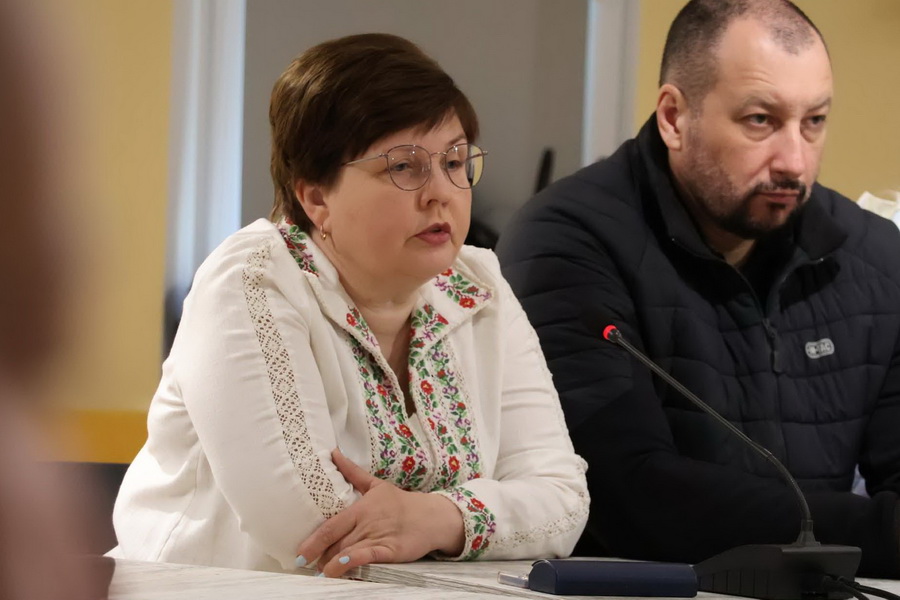
Importantly, our Veteran Partnership is developing a comprehensive ecosystem of support for veterans. An active role is played by the Mykolaiv HR Network, led by Agrofusion Head of HR Olha Doroshenko and established with the support of the project. The network brings together responsible employers in the region and promotes modern approaches to veteran employment.
Educational institutions are also involved, adapting training programmes to the needs of veterans and the labor market. Regional and municipal employment centers provide career support, retraining, and assistance with finding employment.
All these stakeholders are working together to create a system in which veterans do not have to face the challenges of returning to civilian life alone.
Particularly valuable were the contributions of veterans who have already gone through the adaptation process and found employment with the support of the project. Maksym Kravchenko, Viacheslav Kotenko, Viacheslav Struzhevskyi, and Viktor Latyshev shared their personal experiences. Their stories provided a real-life example of how support, cooperation, and belief in a person can help veterans return to active civilian life.
A separate part of the meeting was dedicated to the presentation of the Danish Welcome Home veteran reintegration model, presented by Danish veterans Christian Dahl and Camilla Puge Klemmesen from the Confederation of Danish Industry.
Participants actively discussed approaches to supporting veterans after military service, workplace adaptation, and cooperation with employers.
The partnership involves not only employers and government institutions, but also the trade union side. Ukrainian and Danish trade unions, as partners of employers, are involved in the process, helping to develop balanced solutions and ensure sustainable approaches to integrating veterans into the labor market.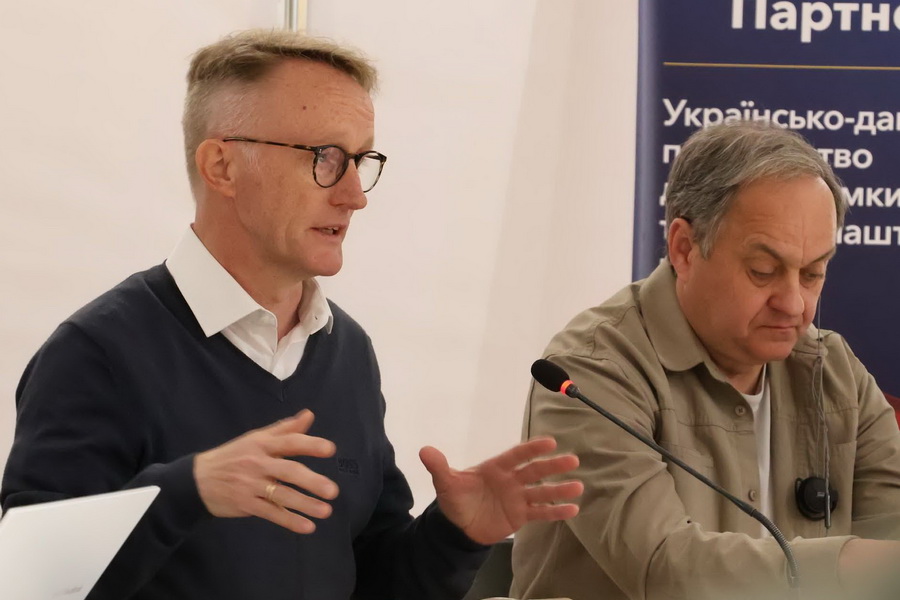
From the Danish business community, Peter Helk, Leading Senior Advisor at the Confederation of Danish Industry, emphasized the importance of this cooperation. In his address, he said:
“Danish business views support for Ukraine as a long-term partnership. The reintegration of veterans into the labor market is not only a social issue, but also a key to economic recovery. We are convinced that bringing together the efforts of employers, trade unions, and government institutions will allow us to create effective models that will work both now and in the future.”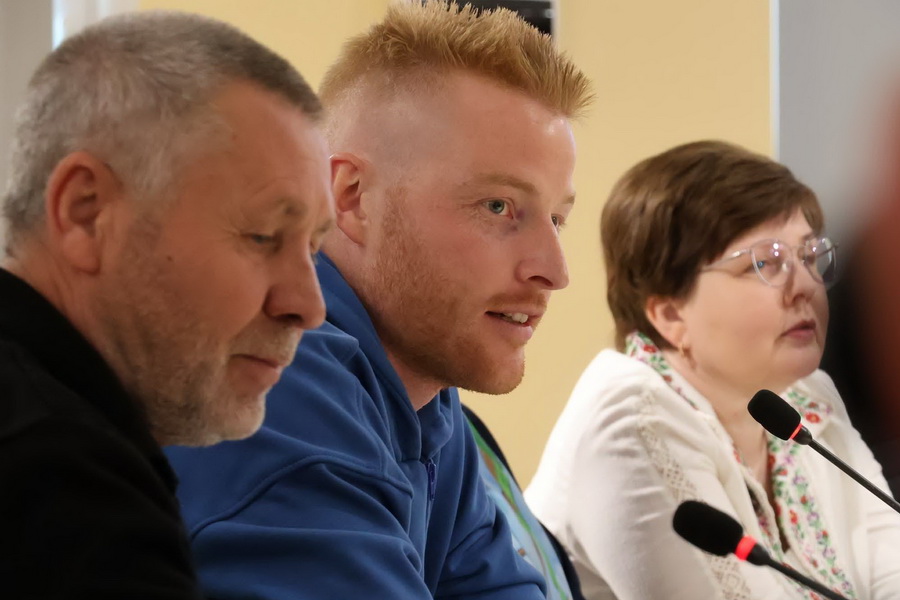
Jakob Hansen, Head of the Embassy of Denmark in Ukraine’s Office in Mykolaiv, also emphasized the unique nature of Ukraine’s experience:
“You have experience that exists nowhere else in the world, and it is important for us to learn from you. It is a great honor for us to cooperate with Ukraine. Veterans are an important asset — people who are needed for reconstruction. Infrastructure is already being restored in the Mykolaiv region, but there is a shortage of workers. That is why it is important to take into account the skills veterans have acquired during the war.”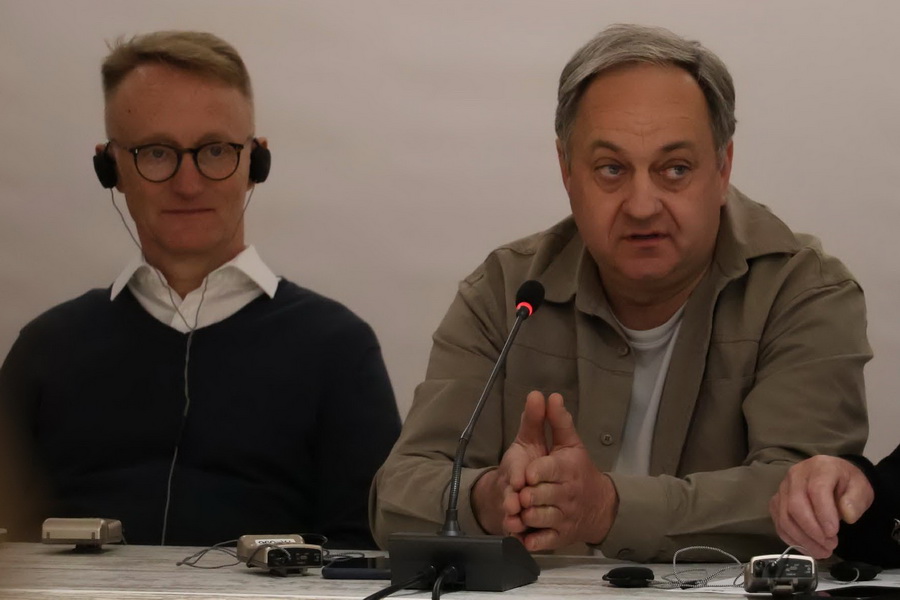
Vitalii Lukov, First Deputy Mayor of Mykolaiv, emphasized the need for systematic preparation for the return of military personnel to civilian life:
“Returning is not only about social guarantees. It is about ensuring a fulfilling life for our soldiers, and we need to prepare for this already today. We must take international experience into account while also developing our own solutions, considering the scale of the challenges we face.”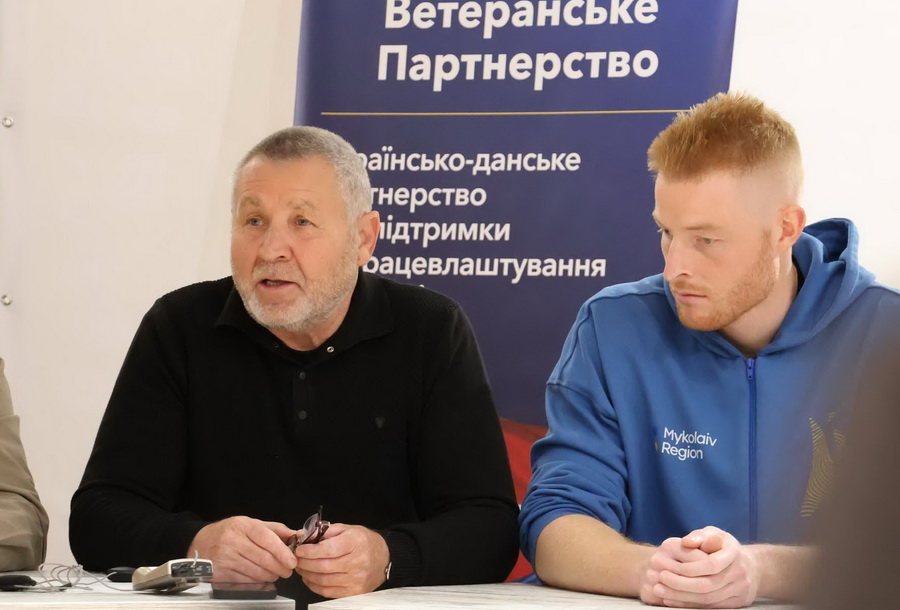
Viktor Moiseiev, Director of the Mykolaiv City Veteran Support Center, who moderated the event, noted:
“Today, it is important not simply to talk about supporting veterans, but to create real opportunities for their adaptation, development, and return to active life. It is joint work that delivers results.”
Olena Mochalova, FEU Director of Communications, summarized that effective veteran reintegration is possible only through the consolidated efforts of all stakeholders — the government, business, education sector, employment services, trade unions, and international partners. The model of cooperation being implemented today in Mykolaiv together with Danish partners is an example of a systemic approach to rebuilding the country’s human capital.
Developing the Veteran Partnership is one of the important areas of activity for the Federation of Employers of Ukraine. Creating opportunities for veterans to make a dignified return to civilian life is not only a matter of social responsibility, but also a strategic investment in Ukraine’s reconstruction and economic future.